
Are you tired of struggling with complicated driver installations that slow down your work? You’re not alone.
Installing the right drivers quickly and correctly can save you hours of frustration. That’s where the Lwf & Wfp Driver Installation Tool comes in. This simple yet powerful tool is designed to make your driver setup smooth and hassle-free. Keep reading to discover how it can save you time, avoid errors, and keep your system running at its best.
Your next hassle-free installation is just a few clicks away.
Credit: technoteswowowow.medium.com
What Is Lwf & Wfp Driver?
The Lwf and Wfp drivers play important roles in Windows operating systems. They help manage network traffic and secure data flow between software and hardware. These drivers work quietly in the background. They ensure your computer runs smoothly and safely.
Lwf stands for Lightweight Filter driver. It filters network packets efficiently. Wfp means Windows Filtering Platform. It provides a framework for network filtering and security.
What Is Lwf Driver?
The Lwf driver filters network data on your device. It works closely with the operating system to monitor traffic. It helps block harmful data and allows safe communication. This driver is lightweight, which means it uses little system resources. It is often used by antivirus and firewall software.
What Is Wfp Driver?
The Wfp driver is part of Windows’ core network security. It provides tools for filtering and inspecting data packets. Developers use Wfp to create secure network applications. It helps protect your system from attacks and unauthorized access. Wfp works deeply with the Windows kernel for strong protection.
How Do Lwf And Wfp Drivers Work Together?
The Lwf driver filters network data before it reaches applications. The Wfp driver adds extra security layers and rules. Together, they control data flow and protect your system. They stop harmful packets and allow safe ones. This teamwork keeps your network secure and fast.
Why Are Lwf & Wfp Drivers Important?
- Protect against malware and network threats
- Help manage network traffic efficiently
- Support firewall and antivirus functions
- Improve system stability and security
- Allow custom network filtering rules
Credit: technoteswowowow.medium.com
Benefits Of Using A Driver Installation Tool
Using a driver installation tool simplifies the process of updating and managing drivers. It saves time and reduces errors during installation. This tool helps keep your devices running smoothly and improves overall system performance.
Driver installation tools often come with user-friendly interfaces. They guide users through the update process with ease. This makes them ideal for people with limited technical knowledge.
Improved System Stability
Updated drivers prevent crashes and system errors. They fix bugs that may cause hardware malfunctions. A driver installation tool ensures all drivers are current and compatible.
Time-saving Automation
The tool scans your computer automatically. It finds outdated or missing drivers quickly. Installation happens with just a few clicks. No need to search for drivers manually.
Enhanced Device Performance
Proper drivers help devices work at their best. Printers, graphics cards, and sound devices run smoother. Performance issues often disappear after driver updates.
Safe And Reliable Updates
Driver tools download drivers from official sources. This reduces the risk of malware or faulty software. The installation process follows safe steps every time.
Easy Backup And Restore Options
Many tools allow you to back up current drivers. Restoring drivers is simple if updates cause problems. This feature protects your system against unexpected issues.
Preparing For Installation
Getting ready to install the Lwf & Wfp Driver Installation Tool sets the tone for a smooth experience. Skipping preparation often leads to frustration and wasted time. Taking a few minutes to ensure your system and data are ready can prevent unexpected hiccups during installation.
System Requirements
Before you download the tool, check if your computer meets the minimum system requirements. Most driver installation tools need a specific operating system version, adequate RAM, and sufficient disk space.
- Operating System:Make sure your PC runs a compatible version like Windows 10 or later.
- RAM:At least 4GB is usually needed for smooth operation.
- Disk Space:Confirm you have at least 500MB free for the installation files.
- Internet Connection:A stable connection helps download any additional components.
I once jumped into installation without checking these details. It caused a crash and wasted hours fixing errors. Avoid that by reviewing your system specs first.
Backup Important Data
Installing new drivers can sometimes cause unexpected issues or conflicts. Backing up your important data protects you from losing files if something goes wrong.
You don’t need a full system backup, but save critical documents, photos, and work files to an external drive or cloud storage. This small step saves you from stress later.
Have you ever lost access to a file because of a failed installation? Taking a moment to back up can be a lifesaver and gives you peace of mind during the process.
Downloading The Installation Tool
Downloading the A Lwf & Wfp Driver Installation Tool is an important first step. The tool helps install drivers quickly and safely. Getting it from the right source ensures your device works properly. Understanding version compatibility avoids installation errors. Follow simple tips to download the correct tool for your needs.
Official Sources
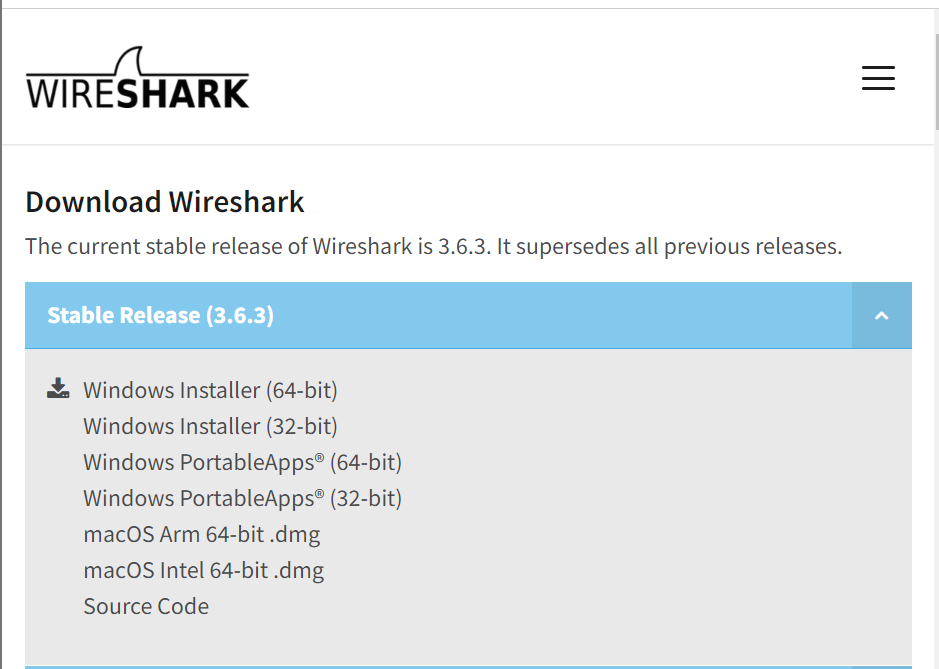
Always download the tool from official websites or trusted platforms. These sources provide safe and virus-free files. Avoid third-party sites that may offer outdated or harmful versions. Official sites update the tool regularly to fix bugs and improve performance.
Check the website of the hardware manufacturer or the developer. They usually have a dedicated download page. Look for clear instructions and download links. This reduces risks and ensures you get the latest version.
Version Compatibility
Choose the installation tool version that matches your device and operating system. Using an incompatible version can cause errors or failures. Check system requirements before downloading. This includes OS type, version number, and hardware specs.
Many tools list compatible systems on their download pages. Compare these details with your device settings. If unsure, select the most recent version that supports your system. This helps avoid conflicts and ensures smooth installation.
Step-by-step Installation Process
Installing the Lwf & Wfp Driver Installation Tool might seem daunting at first, but breaking it down into clear steps makes the process manageable. You’ll find that the tool walks you through essential choices, ensuring your setup fits your system perfectly. Let’s take a closer look at each phase to help you get the installation right the first time.
Launching The Installer
Begin by locating the downloaded installer file on your computer. Double-click the file to start the installation process. If a security prompt appears, confirm that you want to run the installer—it’s a common safeguard on most systems.
Waiting a few seconds after launch is normal as the program prepares necessary files. Have you noticed how some installers freeze temporarily during this phase? Patience here avoids unnecessary interruptions.
Choosing Installation Options
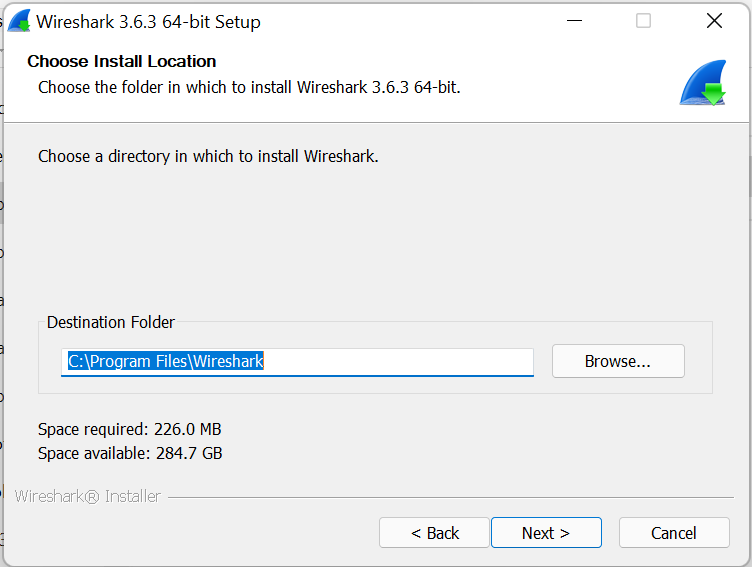
Once the installer opens, you’ll see options like installation type and destination folder. Choose between “Typical” or “Custom” installation based on your comfort level. If you’re unsure, “Typical” usually covers essential features.
For users who want to save disk space or have specific needs, “Custom” lets you pick components. Think about your system’s configuration and what you actually need from the tool. This choice can impact performance later, so don’t rush.
- Select or change the folder where the drivers will be installed.
- Decide if you want shortcuts created on your desktop or start menu.
- Opt to install additional software or skip it if not necessary.
Completing The Setup
After adjusting your preferences, click “Install” to begin the setup. Progress bars give real-time feedback, so you know the tool is working. Avoid closing the installer during this time to prevent incomplete installations.
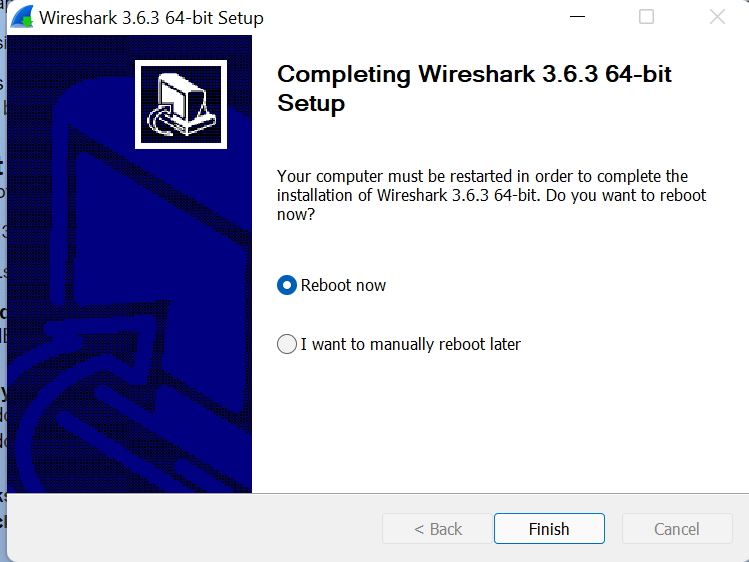
Once installation finishes, the installer usually offers an option to restart your computer. Restarting ensures that the new drivers load properly and function without conflicts.
Have you ever skipped a restart only to face issues later? Taking that extra step now saves you troubleshooting headaches in the future.
Credit: technoteswowowow.medium.com
Troubleshooting Common Issues
Troubleshooting common issues with the Lwf & Wfp Driver Installation Tool helps ensure smooth device operation. Problems during installation or use can cause delays and frustration. Identifying the source of the issue speeds up the fix process. Below are common problems and ways to address them effectively.
Installation Errors
Installation errors often arise from corrupted files or interrupted downloads. The tool may fail to install drivers properly, causing error messages.
- Check internet connection before downloading the tool.
- Disable antivirus temporarily during installation to avoid interference.
- Run the installer as an administrator for proper permissions.
- Ensure enough disk space is available on your device.
- Restart your computer and try installing again if errors persist.
Compatibility Problems
Compatibility issues occur when the tool or drivers do not match your system specifications. This leads to device malfunction or failure to recognize hardware.
- Verify your operating system version supports the driver tool.
- Check the tool’s website for updated driver versions.
- Use 32-bit or 64-bit versions according to your system type.
- Confirm that your device model is supported by the driver tool.
- Update your system’s operating system to the latest version before installation.
Post-installation Tips
After installing the Lwf & Wfp Driver Installation Tool, some actions help maintain smooth performance. These tips keep the drivers working well and avoid future issues. Paying attention to these steps saves time and frustration.
Testing The Drivers
Check if the drivers work correctly right after installation. Connect your device and run basic tasks that use the drivers. Watch for any errors or unusual behavior. Use device manager or related software to confirm driver status. Testing early helps spot problems before they cause bigger issues.
Regular Updates
Keep drivers up to date for better security and performance. Check for updates from official sources regularly. Set reminders to avoid missing new versions. Updated drivers fix bugs and add new features. Staying current ensures your system runs smoothly and safely.
Advanced Configuration Options
The A Lwf & Wfp Driver Installation Tool offers advanced configuration options. These options allow users to tailor the driver setup to fit specific needs. Adjusting settings enhances compatibility and system stability. Customization ensures the drivers work smoothly on various hardware setups.
Advanced configurations also help improve driver performance. Users can optimize how the drivers interact with the system. This leads to faster response times and better resource management. Such tweaks are essential for maintaining a balanced and efficient system.
Customizing Driver Settings
The tool lets users change driver parameters easily. Settings like buffer size, timeout periods, and data handling can be adjusted. Each option influences how the driver communicates with hardware. Custom settings reduce errors and improve device recognition.
- Adjust buffer sizes for better data flow
- Set timeout values to prevent system hangs
- Choose specific driver modes for hardware types
- Enable or disable logging to monitor driver activity
These changes help match the driver to the system’s demands. Users gain control over how the driver performs daily tasks.
Enhancing Performance
Performance tweaks in the tool boost driver speed and efficiency. Users can prioritize tasks and allocate system resources effectively. Optimizing driver load times reduces delays during startup. This results in quicker device readiness and better overall system flow.
- Manage CPU usage to avoid system slowdowns
- Optimize memory allocation for smoother operation
- Fine-tune driver response to external device signals
- Enable advanced error handling to reduce crashes
Such enhancements improve the user experience. The system runs more reliably, even under heavy workloads.
Frequently Asked Questions
What Is The Lwf & Wfp Driver Installation Tool?
The Lwf & Wfp driver installation tool helps install Layered Windows Filter (Lwf) and Windows Filtering Platform (Wfp) drivers. It simplifies driver setup, ensuring system compatibility and improved network filtering performance. This tool is essential for managing network security on Windows systems.
How Does The Lwf & Wfp Tool Improve Driver Installation?
This tool automates the installation process, reducing errors and time. It ensures drivers are correctly configured and compatible with your system. Users benefit from smoother network filtering and enhanced security features without manual setup hassles.
Is The Lwf & Wfp Driver Tool Safe To Use?
Yes, the tool is safe when downloaded from official or trusted sources. It follows Windows security protocols to prevent system conflicts. Always verify the source to avoid malicious software risks during installation.
Can I Update Lwf & Wfp Drivers With This Tool?
Yes, the tool supports both installation and updates of Lwf & Wfp drivers. It checks for the latest driver versions and applies updates seamlessly. This helps keep your network filtering drivers current and efficient.
Conclusion
The Lwf & Wfp driver installation tool makes setup quick and easy. It saves time by finding the right drivers fast. You avoid errors and keep your system running smooth. This tool fits well for both beginners and experts. No need to search manually or worry about compatibility.
Stay updated with the latest drivers hassle-free. A simple step to improve your computer’s performance and stability. Try it today and see the difference yourself.