Have you ever stood on the tee box, ready to take your shot, only to realize you need to adjust your driver head—but don’t have a tool handy? It’s frustrating, isn’t it?
What if you could make quick, effective adjustments right then and there, without digging through your bag or searching for a wrench? In this guide, you’ll discover simple, practical ways to fine-tune your driver head on the spot. By the end, you’ll feel confident making these tweaks anytime, improving your game without missing a beat.
Keep reading, because mastering this skill could be the secret to lowering your scores and boosting your confidence on the course.
Understanding Driver Head Adjustments
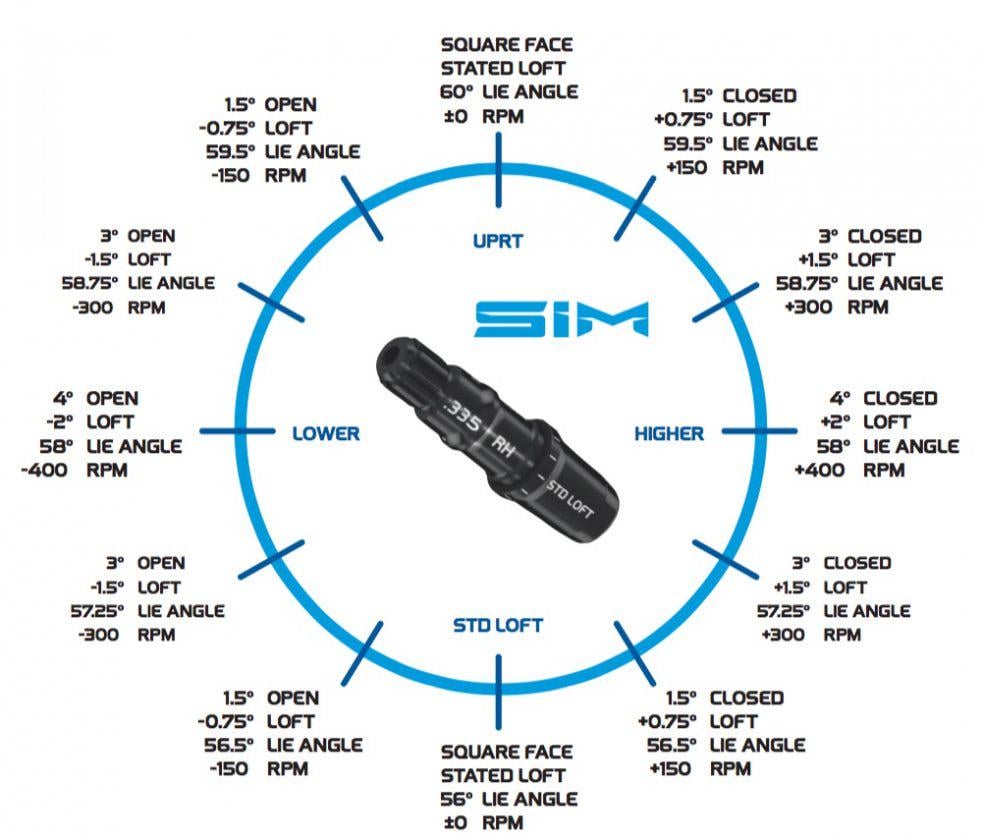
Understanding driver head adjustments helps improve your golf shots. Adjustments change the loft, lie, and face angle of the driver. These changes affect ball flight and distance. Knowing how these work guides you to better control and accuracy.
Driver heads often have built-in mechanisms for adjustment. You can change settings without special tools. This flexibility lets you adapt to different course conditions and swing styles.
Loft Adjustment
Loft controls the angle of the clubface. Increasing loft adds height to your shots. Lower loft produces a lower, more penetrating ball flight. Adjusting loft helps optimize launch and spin rates.
Lie Angle Adjustment
Lie angle is the angle between the shaft and ground. Changing lie affects ball direction. A more upright lie points shots left. A flatter lie points shots right. Proper lie angle improves accuracy and consistency.
Face Angle Adjustment
Face angle refers to the angle of the clubface at address. An open face points right, causing fades or slices. A closed face points left, causing draws or hooks. Adjusting face angle helps correct ball flight tendencies.
How Adjustments Impact Performance
Small changes can greatly affect ball flight and control. Adjustments tailor the driver to your swing and course. Experiment with settings to find the best fit. Understanding these basics builds confidence in your game.
Benefits Of Adjusting Without Tools
Adjusting your driver head without tools can save time and keep you flexible on the course. It lets you make quick changes on the spot, which can improve your game immediately. Plus, it reduces the hassle of carrying extra equipment.
Instant On-course Adjustments
You don’t need to leave the tee box to fine-tune your driver. Making adjustments by hand allows you to respond to changing wind or course conditions right away. This can give you an edge by adapting your shot without delay.
Less Gear, More Freedom
Not carrying a wrench means less weight in your bag. This lightens your load and reduces the chance of forgetting or losing tools. Have you ever found yourself fumbling for a tool just before a crucial shot? Adjusting without tools avoids that frustration.
Simple And User-friendly
Adjusting your driver head by hand is straightforward, even if you’re new to it. It encourages you to understand your club better, making you more confident. You’ll quickly learn how small tweaks affect your shot, helping you improve faster.
Prevents Over-adjustment
Without tools, you’re less likely to over-tighten or loosen your driver head. This keeps your club safe from damage and maintains its performance. Have you ever worried about messing up your club’s settings? Hand adjustments help you avoid that risk.
Encourages Experimentation
Since it’s easy to change settings by hand, you can try different configurations during a round. This experimentation helps you find what works best for your swing. You might discover a new setting that improves your accuracy or distance.
Identifying Adjustable Driver Features
Understanding the adjustable features of your driver head is the first step to making changes without any tools. Knowing what each feature does helps you make smarter choices on the course. You might find it easier than you think to tweak your driver by simply recognizing these key parts.
Loft Adjustments
The loft of your driver affects the height and distance of your shots. Many drivers have a hosel that lets you adjust the loft by rotating or flipping the clubhead. You can usually feel or hear a click as you move it to different settings.
Try changing the loft to see how the ball flight changes. A higher loft can add height and reduce slices, while a lower loft can promote a more penetrating ball flight. Have you noticed how a small loft tweak can make your drives feel more controlled?
Lie Angle Changes
The lie angle controls how the sole of your driver sits relative to the ground. Some adjustable drivers let you change this angle by bending the hosel or shifting the clubhead’s position. This affects whether your shots go left or right.
Without tools, you might adjust the lie angle by repositioning the driver head if your model allows it. Watch how your ball’s direction changes with even slight adjustments. Do you feel your shots straighten out when the lie angle matches your swing better?
Weight Distribution
Weight distribution influences the driver’s balance and forgiveness. Some drivers have movable weights that you can slide or rotate by hand. This shifts the center of gravity to help fix hooks or slices.
By moving weights toward the heel, you can reduce slices. Shifting them to the toe helps with hooks. Feel free to experiment with these settings on the range—how does your shot shape change when you move the weights?
Prepping Your Driver For Adjustment
Getting your driver ready for adjustment is crucial to ensure the process goes smoothly and your changes actually improve your game. If the driver head is dirty or the adjustment mechanism is stuck, you could end up making inaccurate tweaks or even damaging the club. Taking a few moments to prepare your driver will save you frustration and help you make the right adjustments with confidence.
Cleaning The Driver Head
Start by wiping down the driver head with a soft, damp cloth. Dirt, grass, and debris can build up on the surface and around the edges, interfering with your ability to see the adjustment markings clearly.
Use a mild soap if the dirt is stubborn, but avoid harsh chemicals that might damage the finish. Dry the head completely before proceeding—wet surfaces can make handling tricky and may hide small details you need to check.
Inspecting The Adjustment Mechanism
Next, examine the adjustable hosel or any other part designed to change loft, lie, or face angle. Look for signs of rust, dirt, or stiffness that could prevent smooth movement.
If you notice any buildup, gently clean it with a soft brush or toothpick to avoid scratching. Check whether the mechanism moves freely by gently twisting or sliding it; if it resists, your adjustments won’t be precise, and forcing it could cause damage.
Have you ever tried adjusting your driver only to find it locked tight? Taking these preparatory steps helps you avoid that common frustration and ensures your driver reacts exactly as you intend.
Executing Manual Adjustments
Executing manual adjustments on your driver head allows you to fine-tune your club without tools. This process helps improve your swing and ball flight by customizing the club to your style. You can make small changes carefully by hand to affect loft, lie angle, and weight balance.
Adjusting Loft Without Tools
Loft changes affect how high the ball flies. To adjust loft manually, hold the driver head firmly. Gently bend the hosel to increase or decrease loft. Push the clubface slightly upward to raise loft. Push it downward to reduce loft. Make small movements and test the feel after each change.
Changing Lie Angle Manually
The lie angle controls how the clubhead sits at address. To change lie angle, hold the clubhead and shaft securely. Carefully bend the shaft near the hosel inward or outward. Bending inward flattens the lie angle. Bending outward makes it more upright. Test the lie angle by placing the club on a flat surface.
Altering Weight Distribution
Weight distribution influences shot direction and spin. Some driver heads have movable weights you can shift by hand. Slide the weights forward or backward to change ball flight. Move weights toward the toe or heel to adjust draw or fade bias. Adjust weights slowly and check ball flight after each move.
Credit: www.amazon.com
Testing Your Adjustments On The Course
Testing your driver head adjustments on the course is a crucial step to see if your tweaks are really making a difference. You might think the changes feel right at home, but the real test is how they perform in an actual game setting. Getting out on the course helps you understand how your swing and ball flight react to the new setup.
Initial Test Swings
Start with some gentle test swings to get a feel for the driver head’s new position. Don’t rush into full swings immediately; instead, focus on smooth, controlled movements. This helps you notice subtle differences in balance and weight distribution.
Pay attention to how the club feels through impact. Is it easier to square the face? Does the swing feel more natural or forced? These early impressions guide you before hitting the ball.
Observing Ball Flight Changes
Watch your ball flight carefully after each adjustment. Are your drives curving less or more? Is the ball rising higher or staying low?
Note the distance as well. Sometimes a small tweak can add yards, but other times it might reduce power. Keep track of these details to decide if the change suits your game.
Ask yourself: Does the new trajectory match your usual course conditions? If you often face windy holes, higher ball flight might not be ideal. Tailoring adjustments to real course scenarios can save strokes.
Fine-tuning For Optimal Performance
Fine-tuning your driver head without tools demands patience and attention to detail. Small changes can make a big difference in your swing and shot accuracy. By carefully adjusting and tracking your results, you can discover the setup that suits your style best.
Making Incremental Adjustments
Start by loosening your grip on the driver head just enough to move it gently. Adjust the loft or face angle by tiny amounts—think in degrees, not large shifts. Even a 1-degree change can affect ball flight noticeably.
Move slowly and feel each adjustment. Avoid rushing to find the “perfect” setting in one go. Your goal is to experiment with small tweaks and see how each affects your shots.
Recording And Comparing Results
Keep a simple log of every adjustment you make along with how your shots respond. Note factors like ball flight, distance, and accuracy after each tweak. This habit helps you understand what works and what doesn’t.
Try hitting a few balls after every change and compare the feel and outcome. Over time, you’ll build a clear picture of which settings improve your performance. What patterns do you notice when you track your results carefully?

Credit: www.reddit.com
Common Mistakes And How To Avoid Them
Adjusting a driver head without a tool can be tricky. Many golfers make simple mistakes that affect their swing and performance. Avoiding these errors helps you get better results and keeps your equipment safe. Understanding common pitfalls improves your confidence and accuracy.
Forcing The Driver Head Too Hard
Applying too much force can damage the driver head or shaft. Gentle pressure works best to avoid cracks or bending. Use slow, controlled movements instead of quick twists.
Ignoring Alignment Marks
Most driver heads have alignment marks to guide adjustments. Overlooking these can cause incorrect loft or lie angles. Pay attention to these marks for precise positioning.
Not Checking Before Hitting
Failing to test the adjustment before a full swing can lead to poor shots. Take a few practice swings to feel the change. Small tweaks matter and improve your play.
Skipping Cleanliness Of Adjustment Area
Dirt or debris in the adjustment area can jam the mechanism. Always clean the connection point before adjusting. This keeps the driver working smoothly and extends its life.
Adjusting Without Understanding Effects
Changing loft or face angle without knowing its impact causes inconsistency. Learn what each adjustment does to your ball flight. Knowledge helps you make smart choices on the course.
Maintenance Tips For Long-lasting Adjustments
Adjusting your driver head without tools is a handy skill, but keeping those adjustments stable over time requires some care. Small habits can make a big difference in how long your settings hold. You want your driver to perform consistently without unexpected shifts during your game.
Keep Your Driver Clean And Dry
Dirt, moisture, and debris can cause your adjustable parts to slip or corrode. Wiping your driver head after each round can prevent buildup that affects the adjustment mechanism. Use a soft cloth and avoid harsh chemicals that might damage the finish.
Regularly Check For Looseness
Even without tools, you can gently test if your driver head feels loose before hitting the course. Lightly twist or push the head to ensure it’s firmly in place. Catching looseness early helps you readjust before it affects your shot.
Store Your Driver Properly
How you store your driver impacts its longevity. Avoid tossing it in the trunk or a crowded golf bag where it can get jostled. Consider a padded headcover and keep your bag upright to reduce stress on the adjustable parts.
Avoid Excessive Force During Adjustment
When adjusting your driver head by hand, it’s tempting to push hard for a quick fix. But too much force can damage the mechanism or loosen parts. Use gentle, steady pressure to make smooth, controlled changes that last longer.
Monitor Weather Conditions
Humidity and temperature shifts can subtly impact your driver’s adjustment settings. If you notice changes in feel or performance after weather changes, double-check your settings. Staying aware helps you maintain consistency in every round.

Credit: www.amazon.ca
Frequently Asked Questions
How Can I Adjust My Driver Head Without Tools?
You can adjust your driver head by hand by loosening the grip, repositioning the clubface, and tightening it manually. Always ensure a snug fit to maintain performance without tools.
Is It Safe To Adjust Driver Head Without Professional Tools?
Yes, it is safe if done carefully. Avoid forcing the parts and ensure the head is securely tightened to prevent damage or injury.
What Are Common Adjustments For A Driver Head By Hand?
Common adjustments include changing the loft angle, face angle, and lie angle. These tweaks improve ball flight and accuracy without needing specialized tools.
How To Know If Driver Head Adjustment Is Needed?
If your shots consistently slice, hook, or fly off target, adjusting the driver head can help correct your swing and improve accuracy.
Conclusion
Adjusting your driver head without tools is simple and quick. Small changes can improve your golf swing and accuracy. You only need your hands and a little patience. Practice these steps to find the best setting for you. This way, you can enjoy better shots on the course.
Keep trying until you feel comfortable with the adjustments. Remember, no fancy tools are required to make a difference. Golf can be fun and easier with these easy tips.