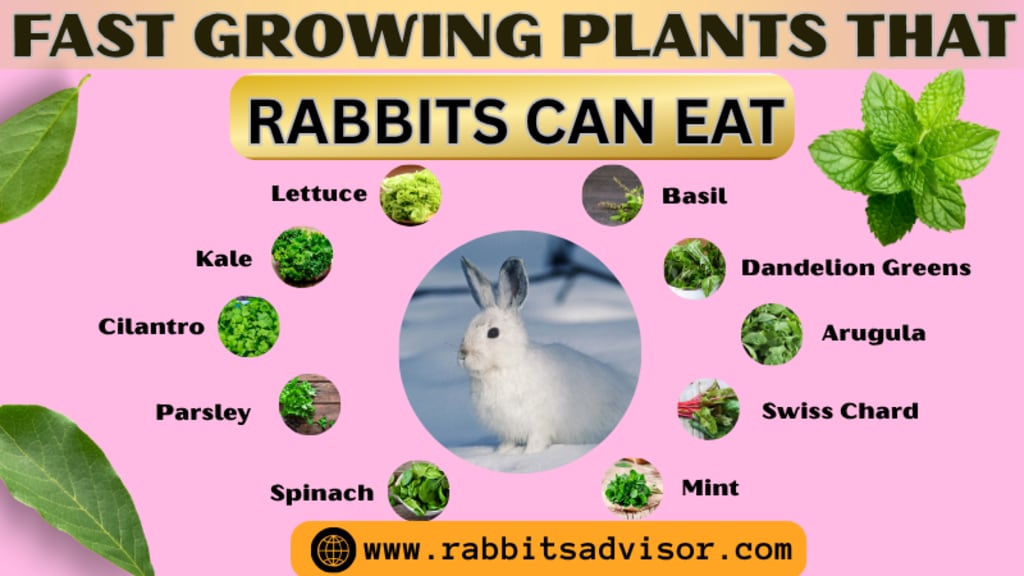
If you have rabbits at home, you might wonder if those pesky garden weeds could be a tasty and safe snack for them. You want to keep your furry friends healthy, but also save time pulling weeds from your garden.
What if your rabbits could help with both? Before you let them nibble on those green patches, it’s important to know which weeds are safe and which could harm them. Keep reading to discover the surprising truth about rabbits and garden weeds—and learn how to protect your pets while making the most of your garden.
Common Garden Weeds For Rabbits
Many common garden weeds can be safe and healthy treats for rabbits. These plants offer variety and nutrients beyond the usual rabbit diet. Knowing which weeds are good helps keep rabbits happy and healthy.
Here are some common garden weeds that rabbits enjoy and can safely eat.
Dandelions
Dandelions are rich in vitamins A, C, and K. Rabbits love nibbling on their leaves and flowers. These weeds help support digestion and provide antioxidants. Make sure to pick dandelions from areas free of pesticides.
Clover
Clover is a sweet and nutritious weed. It contains protein and fiber that rabbits need. Both red and white clover are safe in moderate amounts. Avoid giving large quantities to prevent digestive upset.
Plantain
Plantain leaves are soft and easy for rabbits to chew. This weed helps soothe the digestive tract. It also contains vitamins and minerals important for rabbits. Fresh plantain is best, but dried leaves can work too.
Weeds To Avoid
Not all garden weeds are safe for your rabbit to nibble on. Some plants contain harmful toxins that can cause serious health issues or even be fatal. Knowing which weeds to avoid is crucial if you want to keep your furry friend safe while letting them enjoy fresh greens from your garden.
Foxglove
Foxglove is a beautiful plant but highly toxic to rabbits. Even a small amount can cause heart problems and severe poisoning symptoms.
If you spot foxglove growing near your rabbit’s play or feeding area, make sure to remove it immediately. Have you checked your garden recently for these striking but dangerous flowers?
Buttercups
Buttercups may seem harmless, but they contain a toxin called ranunculin that irritates your rabbit’s mouth and digestive system. Eating buttercups can lead to drooling, diarrhea, and abdominal pain.
Your rabbit might be tempted by the bright yellow blooms, but it’s best to keep them away. Do you know where buttercups tend to grow in your garden?
Deadly Nightshade
Deadly nightshade, also known as belladonna, is extremely poisonous. It contains alkaloids that can cause severe nervous system damage in rabbits.
Even a small bite can be dangerous, so always inspect your garden carefully and remove any deadly nightshade plants. Could your garden be hiding this silent threat?
Nutritional Benefits Of Safe Weeds
Safe garden weeds can be a good food source for rabbits. They offer various nutrients that help keep rabbits healthy. Rabbits often enjoy nibbling on these weeds, which add variety to their diet. Understanding the nutritional benefits of these plants can help you choose the best ones for your pet.
Vitamins And Minerals
Many safe weeds contain important vitamins like A, C, and K. These vitamins support rabbits’ immune systems and promote healthy skin and fur. Minerals such as calcium, potassium, and magnesium are also present. These minerals help with bone strength and muscle function.
Fiber Content
Fiber is essential for rabbits’ digestion. Safe garden weeds usually have high fiber levels. Fiber helps keep the digestive system moving smoothly. It prevents issues like bloating and constipation. Including these weeds in a rabbit’s diet supports gut health.
Hydration
Some garden weeds have a high water content. This helps rabbits stay hydrated, especially in warm weather. Eating these moist plants adds extra fluids to their diet. Proper hydration is vital for maintaining energy and avoiding health problems.

Credit: gardendaze.blog
Identifying Safe Weeds
Rabbits enjoy nibbling on garden weeds, but not all weeds are safe for them. Identifying safe weeds is important to keep your pet healthy. Some garden plants may cause harm or digestive issues. Knowing how to spot edible weeds can protect your rabbit from danger.
Safe weeds usually have specific traits. These traits help you decide if a plant is okay to feed your rabbit. Using tools can make identification easier and more accurate. This section explains how to recognize safe weeds and use technology for help.
Characteristics Of Edible Weeds
- Soft leaves without sharp edges
- Absence of strong or bitter smell
- No milky or sticky sap when broken
- Small flowers, often white, yellow, or purple
- Common examples include dandelion, clover, and chickweed
Check the color and texture of leaves carefully. Avoid plants with shiny or waxy coatings. Many edible weeds grow low to the ground and spread quickly.
Using A Plant Identification App
Plant ID apps help confirm if a weed is safe for rabbits. Take a clear photo of the leaf or flower. Upload it to the app for instant results. Most apps show pictures and descriptions to compare.
Apps reduce guesswork and increase safety. They also provide warnings about toxic plants. Use apps regularly for best results in your garden.
Preparing Weeds For Feeding
Preparing garden weeds for your rabbit’s diet takes care and attention. Not all weeds are safe, so choosing the right ones is key. Once selected, proper cleaning and serving methods keep the weeds healthy and tasty for your pet. This process helps avoid any health risks and makes the meal enjoyable.
Washing And Cleaning
Start by rinsing the weeds under cold water. This removes dirt, bugs, and harmful chemicals. Use your hands to gently rub off any stubborn particles. Avoid soaps or detergents; they can harm your rabbit. After washing, let the weeds dry on a clean towel or paper towel. Make sure no moisture remains to prevent mold growth.
Serving Suggestions
Offer weeds fresh and at room temperature. Chop larger leaves into small pieces for easy eating. Mix weeds with other fresh vegetables for a balanced meal. Provide weeds in small amounts at first to check your rabbit’s reaction. Remove uneaten weeds after a few hours to keep the feeding area clean.
:max_bytes(150000):strip_icc()/RabbitandRose-20edebe6e01c4fce95244c2d166d6360-d0119feb5d8641a3bfbfaee26b2049b0.jpg)
Credit: www.marthastewart.com
Observing Your Rabbit’s Health
Keeping a close eye on your rabbit’s health is crucial, especially when you introduce new foods like garden weeds into their diet. Rabbits can react differently to various plants, so watching for any changes in behavior or physical condition helps you catch problems early. Your attention can make a big difference in ensuring your furry friend stays happy and healthy.
Signs Of Digestive Issues
Digestive problems in rabbits can show up quickly and can be serious. Look out for signs such as:
- Loss of appetite or refusal to eat their usual food
- Smaller or fewer droppings than normal
- Soft or runny stool, which could indicate diarrhea
- Abdominal bloating or discomfort
If you notice any of these signs, it’s important to act fast. I once saw my rabbit stop eating after nibbling on some dandelion leaves from the garden. A quick visit to the vet helped avoid a bigger issue.
Monitoring Weight And Activity
Weight changes can tell you a lot about your rabbit’s health. A sudden drop might mean they’re not eating well, while slow weight gain could signal other health concerns. Weigh your rabbit regularly using a small scale and jot down the numbers.
Activity levels are just as important. Is your rabbit less playful or hiding more than usual? These behavior changes can be early warning signs. Watching how your rabbit moves and interacts can give you clues before physical symptoms appear.
Consulting A Veterinarian
Knowing whether rabbits can safely eat garden weeds is important for their health. Consulting a veterinarian helps ensure your pet’s diet stays safe and balanced. Vets provide expert advice on which plants are harmful or healthy for rabbits. They also guide you on how to introduce new foods properly.
When To Seek Professional Advice
Contact a vet if your rabbit shows unusual signs after eating weeds. Signs include:
- Loss of appetite
- Diarrhea or constipation
- Changes in behavior
- Excessive drooling
- Breathing difficulties
Also, ask a vet before adding any new plants to your rabbit’s diet. This prevents accidental poisoning and digestive problems. Regular check-ups allow vets to give diet advice tailored to your pet’s needs.
Questions To Ask Your Vet
- Which garden weeds are safe for my rabbit?
- Are there any plants I should avoid completely?
- How much of these weeds can I feed daily?
- How to introduce new plants without causing stress?
- What symptoms indicate poisoning or allergies?
- Can certain weeds affect my rabbit’s digestion?
Asking clear questions helps you understand the best care for your rabbit. Keep notes from your vet to refer back when needed.
Credit: www.stgeorgeutah.com
Frequently Asked Questions
Can Rabbits Safely Eat Common Garden Weeds?
Yes, rabbits can eat many common garden weeds like dandelions and clover. These weeds provide essential nutrients and fiber. However, avoid toxic plants such as foxglove and ragwort, which can harm rabbits. Always ensure weeds are free from pesticides and chemicals before feeding.
Which Garden Weeds Are Toxic To Rabbits?
Toxic garden weeds for rabbits include ragwort, foxglove, and buttercup. These plants contain harmful compounds that can cause illness or death. It is crucial to identify and remove these weeds from your rabbit’s environment to keep them safe and healthy.
How Do Garden Weeds Benefit A Rabbit’s Diet?
Garden weeds provide natural fiber, vitamins, and minerals essential for rabbits. They help maintain healthy digestion and offer variety in diet. Weeds like dandelions and clover are especially beneficial, supporting overall wellness and preventing boredom in rabbits.
Can Rabbits Eat Garden Weeds Every Day?
Rabbits can eat garden weeds daily but in moderation. A balanced diet should include hay, fresh vegetables, and occasional weeds. Overfeeding weeds may cause digestive issues, so offer a variety of safe foods for optimal health.
Conclusion
Rabbits can eat some garden weeds safely. Always check if the weed is toxic first. Not all weeds are good for rabbits. Fresh, clean weeds are best for their health. Avoid weeds from treated or polluted areas. Variety helps keep rabbits happy and healthy.
Watch your rabbit for any signs of upset. Feeding weeds can be part of a balanced diet. Careful choice keeps rabbits safe and active. Simple steps protect your pet every day.