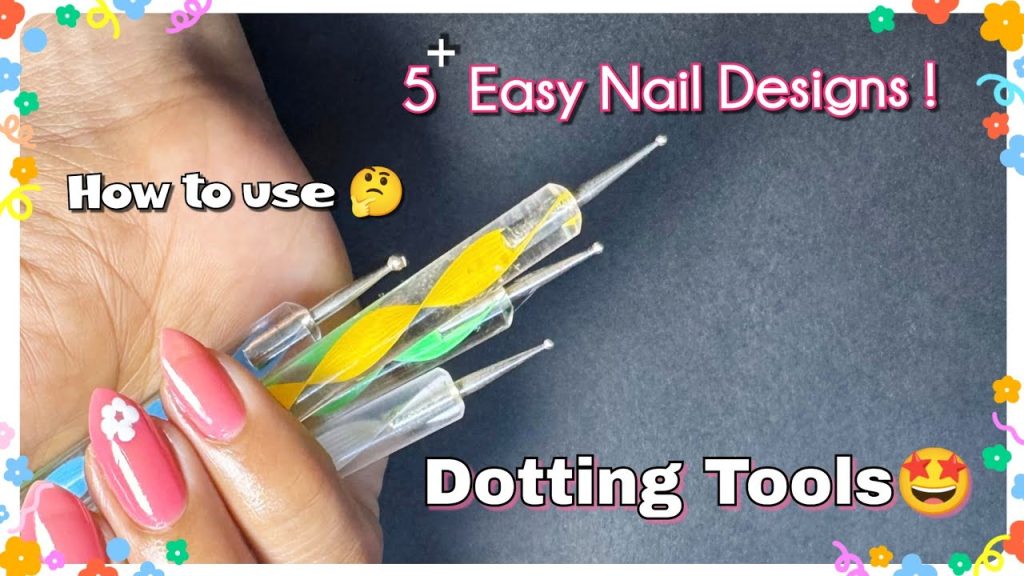
Are you ready to take your nail art to the next level? Using a dotting tool on your nails is one of the easiest ways to create stunning, professional-looking designs right at home.
Whether you want delicate polka dots, intricate patterns, or fun shapes, this simple tool can help you achieve it all. You’ll discover step-by-step tips and tricks to master the dotting tool and make your nails stand out. Keep reading, and soon you’ll be turning heads with your creative, eye-catching nail art!
Choosing The Right Dotting Tool
Choosing the right dotting tool can make a huge difference in your nail art results. It’s not just about picking any tool, but finding one that fits your style and the designs you want to create. Have you ever struggled with a tool that was too big or too small for your design? That’s exactly why selecting the right size, shape, and material matters.
Different Sizes And Shapes
Dotting tools come in various sizes, often with two ends featuring different-sized tips. Smaller tips create tiny dots perfect for delicate patterns, while larger tips make bold, noticeable dots.
Choosing the right size depends on your design goals. If you want intricate details, look for tools with very small tips, around 0.5mm to 1mm. For bigger dots or flower petals, tips around 2mm to 5mm work better.
Besides size, consider the shape of the tip. Most dotting tools have round tips, but some come with teardrop or flat edges for unique effects. Have you tried using different shapes to add variety? Experimenting can help you discover new styles.
Materials To Consider
The material of your dotting tool impacts its durability and ease of use. Common materials include metal, plastic, and wood.
- Metal:Durable and easy to clean, metal tips glide smoothly over nails and last long. These are great if you plan to use the tool frequently.
- Plastic:Lightweight and budget-friendly, plastic tools might wear out faster but are good for beginners testing out dotting art.
- Wood:Often used for handles, wood offers a comfortable grip but the tips are usually metal or plastic.
Think about how often you’ll use the tool. If you’re serious about nail art, investing in a metal dotting tool saves money in the long run. Have you noticed how a sturdy tool feels more comfortable and gives you better control?
Preparing Your Nails
Preparing your nails properly sets the foundation for stunning dotting tool designs. Skipping this step can cause your nail art to chip or look uneven. Taking a few extra minutes to clean and prime your nails ensures your dots stay sharp and last longer.
Cleaning And Shaping
Start by removing any old polish with a gentle nail polish remover. This clears away oils and residue that prevent new polish from sticking well.
Next, shape your nails using a file or nail clipper. Decide whether you want squared, rounded, or almond tips—consistent shapes help your dots look balanced.
Don’t forget to gently push back your cuticles. Overgrown cuticles can ruin the smooth canvas you need for dotting designs.
Applying Base Coat
A base coat acts like a primer for your nails. It protects them from staining and creates a smooth surface for your polish.
Apply a thin, even layer of base coat and let it dry completely before moving on. This step might seem small, but it makes a big difference in the final look and durability of your nail art.
Have you noticed how a chipped base can ruin even the best dotting patterns? Taking this moment ensures your nail art looks fresh for days.
Basic Dotting Techniques
Mastering basic dotting techniques is the foundation for creating beautiful nail art with a dotting tool. These simple skills allow you to add fun, precise details that can elevate any manicure. Once you get comfortable with the basics, you’ll find endless ways to customize your nails.
Creating Simple Dots
Start by dipping the dotting tool gently into your chosen nail polish. Make sure to remove excess polish by dabbing the tool on a paper towel. This helps prevent blobs and uneven dots.
Touch the tool lightly onto your nail to create a perfect round dot. Try not to press too hard, or the dots might spread out too much. Practice on a piece of paper first to get a feel for the pressure needed.
Do you notice how consistent dots instantly make your design look cleaner? That’s the power of patience and a steady hand.
Varying Dot Sizes
Using different sizes of dotting tools or the same tool with varying pressure creates interesting patterns. Larger dots can act as focal points, while smaller dots fill in spaces or add texture.
If you don’t have multiple tools, try dipping just the tip for smaller dots and the rounded side for bigger ones. Experiment with spacing and layering dots for a dynamic look.
- Use the smallest dotting tool for tiny accents around larger dots.
- Combine medium and large dots to create floral or geometric patterns.
- Try overlapping dots slightly for a 3D effect.
Have you tried mixing dot sizes before? It can turn a simple manicure into a conversation starter.

Credit: www.youtube.com
Advanced Dotting Designs
Advanced dotting designs bring creativity to nail art. They transform simple dots into stunning patterns. Using a dotting tool allows precise control over size and placement. These designs suit special occasions or everyday style. Experimenting with colors and shapes creates unique looks. Here are two popular advanced designs to try.
Polka Dot Patterns
Polka dots are timeless and playful. Use different dot sizes for a dynamic effect. Start with a base color on your nails. Choose contrasting colors for the dots to stand out. Place dots evenly or randomly across the nail surface.
- Small dots create a delicate, subtle look.
- Large dots offer bold and eye-catching style.
- Mix small and large dots for more interest.
- Try alternating colors for a fun twist.
Polka dot patterns suit all nail shapes. Use a dotting tool to keep dots round and neat. Let each layer dry before adding new dots. This prevents smudging and keeps the design sharp.
Floral Designs With Dots
Floral designs add elegance to dotting art. Use dots to form flower petals and centers. Start by placing a cluster of dots in a circle for petals. Add a single dot in the middle as the flower center. Use different colors for petals and center to highlight the design.
- Create simple flowers with five or six petals.
- Arrange flowers randomly or in patterns on nails.
- Combine flowers with leaves by adding small green dots.
- Use a fine brush for extra details if desired.
Floral dotting designs suit spring and summer styles. They add charm to plain or colored backgrounds. Patience and steady hands improve the final look. Practice makes floral dotting easier and more beautiful.
Incorporating Colors
Adding colors to your dotting tool designs can turn simple nails into eye-catching art. Playing with different shades allows you to express your mood and style. It’s all about choosing the right colors and blending them smartly to make your nails pop.
Choosing Complementary Colors
Picking colors that go well together is key. Look for pairs that sit opposite each other on the color wheel, like blue and orange or purple and yellow. These combos create a vibrant contrast that grabs attention.
Think about your outfit or the season when choosing colors. For example, warm tones like reds and golds work great for fall, while cool blues and greens fit summer vibes. Have you ever noticed how certain colors instantly lift your mood? That’s why your choice matters.
Using Multiple Colors
Using several colors in your dotting design adds depth and fun. Start with a base color, then layer dots in different sizes and shades on top. This creates a dynamic look that draws the eye.
Try mixing pastel tones with bold colors for a balanced effect. You could also create gradients by placing similar shades next to each other. Don’t be afraid to experiment—sometimes unexpected combos become your favorites.
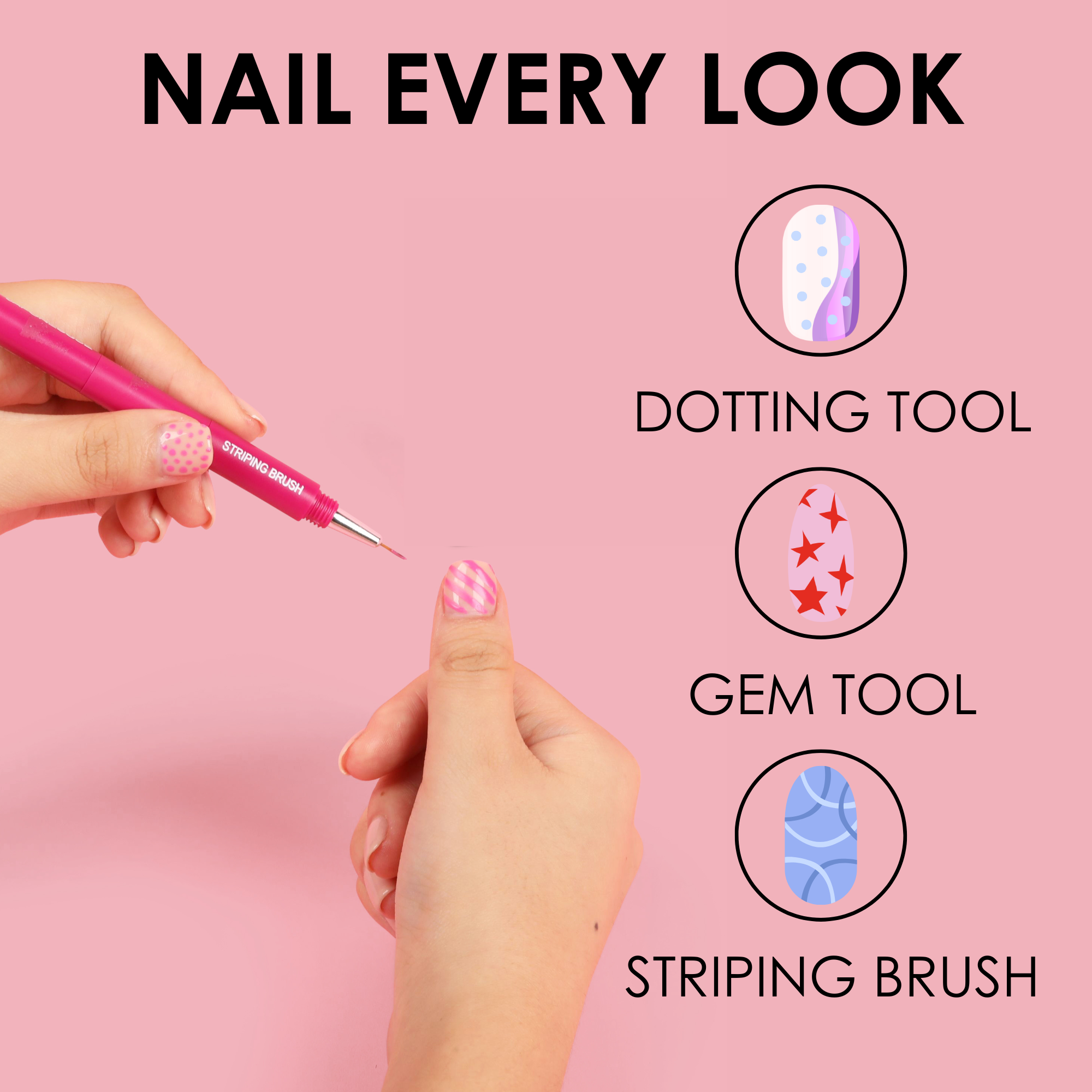
Credit: japonesque.com
Nail Art Tips For Beginners
Nail art can be fun and creative. Beginners often find dotting tools helpful. These tools make small, neat dots on nails easy. Using them right improves your nail designs. Simple tips help you avoid common errors and make your art look better.
Common Mistakes To Avoid
- Using too much polish on the dotting tool can cause big blobs.
- Not letting the base coat dry leads to smudges.
- Applying dots too close to the nail edge can make designs messy.
- Using a dirty dotting tool can mix colors unintentionally.
- Pressing too hard can spread the dots unevenly.
Practicing Precision
Start with clean, dry nails and a smooth base color. Dip the dotting tool lightly in polish. Practice making dots on paper first. Try making dots of different sizes by using various tool tips. Keep your hand steady and work slowly. Place dots with gentle pressure for crisp shapes.
Maintaining Your Nail Art
Maintaining your nail art keeps your designs fresh and vibrant longer. Proper care protects the details made with a dotting tool. Small efforts extend the life of your nail decorations. Follow simple steps to keep your nails looking great every day.
Applying Top Coat
Use a clear top coat to seal your nail art. It creates a shiny, protective layer over the design. Apply it gently to avoid smudging the dots. Let the top coat dry fully before using your hands. Reapply every few days for extra protection and shine.
Tips For Long-lasting Designs
- Avoid harsh chemicals that can damage your nails.
- Wear gloves during cleaning or washing dishes.
- Keep your nails dry to prevent peeling or chipping.
- Do not use nails as tools to open things.
- Moisturize your cuticles and nails regularly.

Credit: www.youtube.com
Frequently Asked Questions
What Is A Dotting Tool For Nails?
A dotting tool is a small nail art accessory with rounded tips. It helps create dots, patterns, and designs on nails easily.
How Do You Use A Dotting Tool On Nails?
Dip the dotting tool tip into nail polish. Gently press it on your nail to form dots or patterns.
Can Beginners Use A Dotting Tool For Nail Art?
Yes, dotting tools are beginner-friendly. They offer precise control to create simple or intricate designs effortlessly.
What Nail Polishes Work Best With Dotting Tools?
Use regular or gel nail polish that’s not too thick. Thin polish spreads evenly and forms perfect dots.
Conclusion
Using a dotting tool on nails adds fun and style easily. Practice small dots first to gain confidence and control. Choose colors that match your mood or outfit. Clean the tool between colors to keep designs neat. Try different sizes of dots for creative patterns.
Nail art becomes simple with these easy steps. Enjoy creating unique looks at home anytime. Keep experimenting, and your nails will always look fresh. Simple tools can make big differences in nail design. Give it a try and see your nails shine!