
Are you tired of seeing weeds take over your beautiful garden? You’re not alone.
Weeds can quickly steal nutrients, water, and sunlight from your plants, leaving your garden looking messy and unhealthy. But what if you could stop weeds before they even start? You’ll discover simple, effective ways to keep your garden weed-free, so your plants can thrive and your outdoor space can shine.
Keep reading—you’re just a few steps away from a cleaner, greener garden.
Understanding Weeds
Understanding weeds is the first step to stopping them from taking over your garden. They are more than just unwanted plants; they compete with your flowers and vegetables for nutrients, water, and sunlight. Knowing what you’re dealing with can help you choose the best way to keep your garden healthy and weed-free.
Types Of Common Garden Weeds
Weeds come in many shapes and sizes, but some are more common in gardens than others. Recognizing them makes it easier to control their growth.
- Dandelions:These have bright yellow flowers and deep taproots that make them tough to remove.
- Crabgrass:This grassy weed spreads quickly across lawns and garden beds.
- Chickweed:A low-growing weed with small white flowers, it thrives in cool, moist soil.
- Bindweed:This vine-like weed can strangle plants and spreads rapidly underground.
- Thistle:Known for its prickly leaves and purple flowers, it can be a real nuisance.
Have you noticed certain weeds popping up repeatedly in your garden? Identifying these can help you target them more effectively.
Why Weeds Thrive
Weeds grow so well because they are incredibly adaptable. They often take advantage of disturbed soil, like after you plant new flowers or dig in your garden.
Many weeds produce thousands of seeds that spread by wind, animals, or even your gardening tools. Their roots can also survive harsh conditions, making them hard to kill completely.
Think about how often you water your garden or loosen the soil—these actions can unintentionally encourage weed growth. Are you giving weeds the perfect environment without realizing it?

Credit: www.youtube.com
Preventative Measures
Stopping weeds before they grow saves time and effort. Preventative measures create conditions where weeds cannot thrive. Focus on preparing the soil well, covering the ground, and blocking weed growth physically. These steps reduce weed seeds and protect your plants.
Soil Preparation
Start with clean soil free of weed roots and seeds. Remove old weeds and debris carefully. Turn the soil to improve airflow and drainage. Add compost or organic matter to nourish the soil. Healthy soil supports strong plants that outgrow weeds. Level the soil surface for even planting and mulching.
Mulching Techniques
Mulching covers soil and blocks sunlight from weed seeds. Use organic mulches like straw, wood chips, or leaves. Spread mulch 2 to 3 inches thick around plants. Keep mulch a few inches away from plant stems. Mulch keeps moisture in soil and cools roots. Replace mulch yearly to maintain its effectiveness.
Using Landscape Fabric
Landscape fabric forms a barrier that stops weed growth. Lay fabric over prepared soil before planting. Cut holes or slits for plants to grow through. Secure fabric with stakes or pins to hold it down. Cover fabric with mulch to protect it from sun damage. Fabric reduces the need for herbicides or constant weeding.
Natural Weed Control Methods
Natural weed control methods offer a safe and eco-friendly way to keep your garden free from unwanted plants. These techniques focus on using everyday items and simple actions that avoid harmful chemicals. Not only are they better for the environment, but they also protect your soil and plants, making your garden healthier overall.
Vinegar And Other Homemade Solutions
Vinegar is a powerful natural weed killer thanks to its acetic acid content. You can spray undiluted white vinegar directly on the leaves of weeds on sunny days for best results. Adding a little dish soap helps the solution stick to the leaves and work more effectively.
Other homemade options include a mix of salt and water or a combination of baking soda sprinkled around plants. Be careful with salt, as it can harm your soil if overused. Have you tried any homemade sprays before? They might surprise you with how quickly they clear small patches of weeds.
Boiling Water Technique
Pouring boiling water over weeds is a simple, instant way to kill them. This method works best on cracks in pavement or garden paths where you don’t want anything to grow. The hot water destroys the weed’s cells, causing it to wither and die within hours.
Make sure to avoid splashing boiling water on plants you want to keep. It’s a no-cost, chemical-free option that anyone can use right away. How often do you walk past weeds but hesitate to use harsh chemicals? Boiling water might be your perfect solution.
Hand Pulling And Digging
Sometimes the best way to remove weeds is by hand. Pulling them out when the soil is moist makes it easier to remove the entire root system. This prevents regrowth and keeps your garden clean.
For stubborn weeds with deep roots, use a small garden fork or trowel to dig them out carefully. This method requires patience but gives you complete control over what stays and what goes. Have you noticed how satisfying it feels to see a weed-free patch after a little effort?
Credit: m.youtube.com
Chemical Weed Control Options
Chemical weed control offers a powerful way to manage unwanted plants in your garden efficiently. Using herbicides can save time and reduce physical labor, especially in larger spaces or areas with persistent weeds. However, choosing and applying these chemicals correctly is key to protecting your garden and the environment.
Selecting Safe Herbicides
Not all herbicides are created equal. You need to pick products labeled safe for the types of plants you want to keep and the specific weeds you want to target.
Look for selective herbicides that kill only certain weeds without harming your garden plants. For example, if you have a lawn, choose a herbicide designed to eliminate broadleaf weeds without damaging grass.
Consider organic or less toxic options if you want to minimize environmental impact. Always read labels carefully to understand the active ingredients and safety precautions.
Application Tips
How you apply herbicides makes a big difference in results and safety. Use a sprayer that delivers an even coat to avoid over-application or missed spots.
Apply herbicides on calm, dry days to prevent drift to desirable plants and ensure the chemicals stick to the weeds. Early morning or late afternoon works best to reduce evaporation.
Wear protective gear like gloves and goggles to keep yourself safe during application. And remember, spot-treating problem areas often works better than spraying large areas indiscriminately.
Maintaining A Weed-free Garden
Maintaining a weed-free garden takes ongoing effort and care. It involves watching your plants closely and preparing the soil for each season. The goal is to stop weeds before they spread and compete with your garden plants. Consistent work keeps your garden healthy and beautiful.
Regular Monitoring
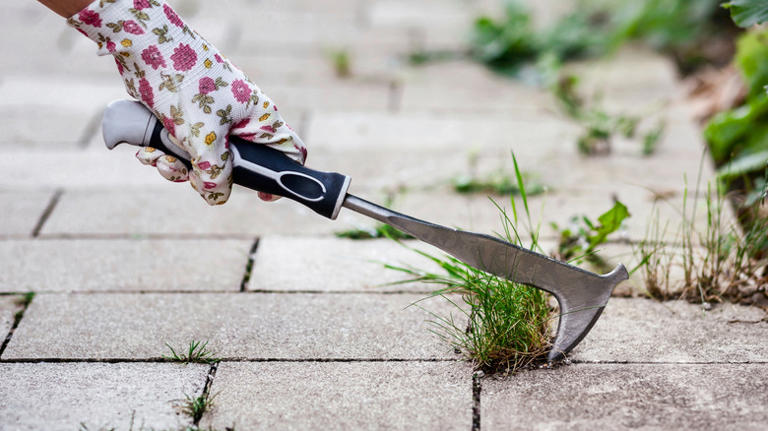
Check your garden often for new weeds. Pull them out while small to stop growth. Use gloves to protect your hands. Look under leaves and between plants for hidden weeds. Early removal reduces the chance of seeds spreading. Keep a small hand rake or hoe nearby for quick weed removal.
Seasonal Garden Care
Prepare your garden at the start of each season. Clear away old plant debris where weed seeds can hide. Add mulch to keep soil moist and block sunlight from weed seeds. Use thick layers of organic mulch, like wood chips or straw. Rotate your crops to prevent soil exhaustion and reduce weed growth. Fertilize plants properly to help them grow strong and outcompete weeds.
Credit: www.msn.com
Benefits Of A Weed-free Garden
A garden free of weeds offers many advantages that help plants thrive and look great. Weeds compete with your plants for water, nutrients, and sunlight. Removing them creates a better environment for your garden to grow strong and healthy.
Maintaining a weed-free garden also makes your outdoor space more attractive. Clean, tidy beds show off your plants at their best. It also reduces hiding spots for pests and makes garden care easier.
Improved Plant Health
Weeds take essential nutrients from the soil, leaving less for your plants. Without weeds, plants absorb more water and minerals. This boosts their growth and strength. It also lowers stress on plants, helping them resist diseases better.
Weed removal reduces competition for sunlight. Plants get the light they need for photosynthesis. This leads to healthier leaves and flowers. Your garden will produce more fruits and blooms with less effort.
Enhanced Garden Aesthetics
A weed-free garden looks neat and well-kept. It highlights the colors and shapes of your plants. Clean garden beds create a pleasing visual flow. This makes your garden a relaxing and enjoyable space.
Removing weeds prevents them from spreading and taking over. It keeps paths clear and plants visible. A tidy garden shows care and attention, making it inviting for visitors.
Frequently Asked Questions
How Can I Prevent Weeds In My Garden Naturally?
Use mulch, hand-pull weeds regularly, and plant ground covers. These methods block sunlight and reduce weed growth naturally.
What Are The Best Mulches To Stop Weed Growth?
Organic mulches like wood chips, straw, and bark are ideal. They suppress weeds and improve soil health over time.
How Often Should I Remove Weeds From My Garden?
Remove weeds weekly before they seed. Regular weeding prevents spread and keeps your garden healthy and tidy.
Can Landscape Fabric Help Control Garden Weeds Effectively?
Yes, landscape fabric blocks weed growth by limiting sunlight. Use it under mulch for best results in garden beds.
Conclusion
Stopping weeds takes patience and regular care. Keep the soil covered with mulch or plants. Pull weeds as soon as you spot them. Healthy plants grow strong and crowd out weeds. Water your garden wisely to help your plants, not weeds.
Small steps make a big difference over time. Your garden will stay neat and healthy. Enjoy the beauty of your weed-free garden every day.