
Weeds can quickly take over your garden, stealing nutrients and space from the plants you care about. If you want a healthy, thriving garden, learning how to hoe weeds properly is a must.
You’ll discover simple, effective techniques that will save you time and effort while keeping your garden weed-free. Ready to make weeding easier and your garden more beautiful? Let’s dive in.
Choosing The Right Hoe
Choosing the right hoe can make a big difference in how easily you manage weeds in your garden. The right tool saves time, reduces effort, and protects your plants from damage. Let’s look at what types of hoes are available and what factors matter most when making your choice.
Types Of Hoes
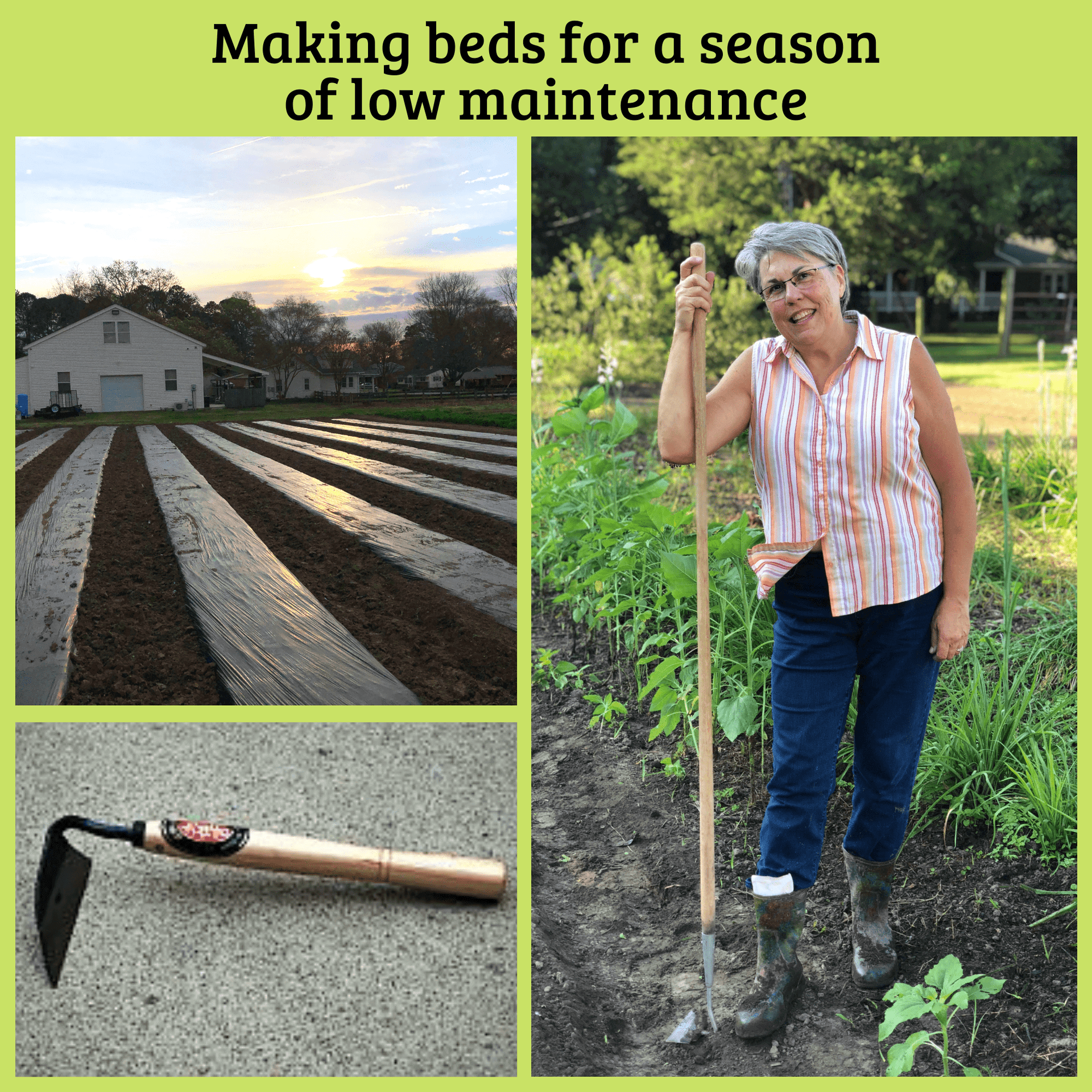
- Draw Hoe:This is the classic hoe with a flat blade set at a right angle to the handle. It’s great for chopping and cutting weeds just below the soil surface.
- Scuffle Hoe:Also known as a stirrup hoe, it has a looped blade that moves back and forth. This design makes it perfect for light, shallow weeding and loosening soil without digging deep.
- Warren Hoe:Features a triangular blade that is excellent for precise weeding between plants and in tight spaces.
- Collinear Hoe:A slim, long blade that allows you to cut weeds just below the soil surface with less effort. It’s ideal for close work and rows of tightly spaced plants.
- Hula Hoe:A stirrup hoe variant that works efficiently on large areas, making it easier to cover more ground quickly.
Factors To Consider
Think about the size and type of your garden before picking a hoe. A small garden with delicate plants might need a fine, precise tool like the Warren hoe. Larger gardens with tougher weeds benefit from a sturdier draw or hula hoe.
Consider your physical strength and comfort. Some hoes come with long handles for better leverage, while others have shorter handles for close control. If you’ve struggled with back pain or fatigue, a lightweight hoe might be a better fit for you.
Also, check the blade material. Steel blades last longer and cut better but can be heavier. Aluminum blades are lighter but may not be as durable. Think about how often you’ll use the hoe and the kind of weeds you face.
Have you noticed your weeding takes longer than it should? Picking the right hoe could speed up your work and make gardening more enjoyable. What type of hoe feels right for your garden’s needs?

Credit: theprudentgarden.com
Preparing Your Garden
Preparing your garden before you start hoeing weeds is crucial for effective and easier work. Taking the time to clear debris and moisten the soil can save you effort and prevent damage to your plants. These steps help you target weeds more precisely and promote healthier soil conditions.
Clearing Debris
Remove fallen leaves, sticks, and old plant matter from your garden bed. This clears the surface and prevents your hoe from getting caught or clogged. It also lets you see the weeds clearly, so you don’t miss any spots.
Think about the last time you tried hoeing without clearing debris first. Was it frustrating to keep stopping? Clearing the area first makes the whole process smoother and faster.
Moistening The Soil
Water your garden soil lightly a day before you hoe. Moist soil loosens easier, allowing the hoe to cut through weeds with less effort. Avoid overwatering, as soggy soil can be messy and may damage plant roots.
Have you noticed how dry soil makes hoeing tough and tiring? Moist soil not only helps you remove weeds more efficiently but also reduces dust and soil disruption. This simple step can make a big difference in your gardening routine.
Techniques For Effective Hoeing
Hoeing weeds is more than just swinging a tool. Proper techniques make the work easier and more effective. Using the right angle and stroke helps remove weeds without disturbing nearby plants. It saves time and effort while keeping your garden neat.
Proper Hoeing Angle
Hold the hoe at a low angle to the soil, about 30 degrees. This angle cuts weeds just below the soil surface. It prevents damage to the roots of nearby plants. A sharp hoe blade at this angle slices through young weeds easily. Avoid lifting the hoe too high, which can dig too deep and harm the soil.
Using Short Strokes
Use short, controlled strokes instead of long swings. Short strokes give better control and precision. They allow you to target weeds without disturbing the soil too much. This helps keep moisture in the soil and protects plant roots. Move the hoe back and forth gently to break weed roots cleanly.
Timing Your Hoeing
Timing your hoeing is key to keeping your garden free of weeds. Hoeing at the right moments helps stop weeds before they grow large. It also protects your plants from damage. Understanding the best time of day and seasonal changes can make your efforts more effective and less tiring.
Best Time Of Day
Hoe your garden early in the morning or late in the afternoon. The soil is softer and easier to work with then. Avoid hoeing under the hot midday sun to prevent plant stress. Cooler hours also help you work longer without feeling tired.
Dry soil makes hoeing harder. Wait until the soil is slightly moist but not wet. This helps pull weeds out with less effort. Wet soil can cause weeds to break and regrow.
Seasonal Considerations
Spring is the best season to start hoeing. Weeds begin to sprout, making them easier to remove. Continue hoeing regularly through summer to stop weeds from spreading seeds.
In fall, hoeing helps clear out late weeds before winter. Avoid hoeing frozen soil in winter. It can damage your tools and harm plant roots.
Adjust your hoeing frequency based on weather. After rain, weeds grow quickly and need more attention. During dry periods, reduce hoeing to avoid soil erosion.
Maintaining Your Hoe
Maintaining your hoe is key to keeping it effective and extending its lifespan. A well-cared-for hoe makes weeding easier and faster, saving you time and effort in the garden. Simple maintenance tasks after each use ensure your tool stays sharp and rust-free, ready for the next round of work.
Cleaning After Use
After every gardening session, take a moment to clean your hoe. Remove dirt and plant debris using a stiff brush or a cloth. Avoid leaving soil on the blade, as moisture can cause rust and dullness.
If the blade has stubborn residue, soak it briefly in water and scrub gently. Dry the hoe thoroughly before storing it to prevent rust. I once ignored cleaning my hoe after a rainy day, and it developed rust spots that took hours to remove—don’t make the same mistake!
Sharpening The Blade
A sharp blade makes cutting through weeds effortless. Use a flat file or sharpening stone to maintain the edge, holding the blade at a 45-degree angle. Sharpen regularly, especially if you notice the hoe struggling to slice through tough roots.
Sharpening doesn’t need to be complicated. Just a few strokes along the edge can make a huge difference. Ask yourself: how much time could you save if your hoe sliced weeds cleanly every time?
Preventing Weed Growth
Stopping weeds before they grow saves time and effort in the garden. Preventing weed growth keeps plants healthy and soil nutrient-rich. Using natural methods reduces the need for chemicals and helps the environment.
Mulching Strategies
Mulching blocks sunlight, which weeds need to sprout. It also keeps the soil moist and cool. Organic mulches like straw, wood chips, and leaves break down, adding nutrients to soil.
- Spread 2 to 3 inches of mulch around plants.
- Keep mulch a few inches away from plant stems to avoid rot.
- Renew mulch every season for best results.
Companion Planting
Planting certain crops together stops weeds from growing. Some plants spread quickly, covering soil and shading weeds. Others release natural chemicals that block weed seeds.
- Use ground covers like clover or creeping thyme.
- Plant fast-growing vegetables between slower ones.
- Combine herbs like basil and rosemary to repel weed growth.
Safety Tips
Hoeing weeds is simple, but safety should never be an afterthought. Taking a few precautions can protect you from injuries and make your gardening time more enjoyable. Let’s look at some practical safety tips that will keep you comfortable and safe while you tackle those stubborn weeds.
Proper Posture
How often do you find yourself aching after a day in the garden? Poor posture while hoeing can cause back pain and strain. Keep your back straight and bend your knees slightly to reduce pressure on your lower back.
Try to use your legs to move up and down instead of bending over from the waist. This shift in posture helps you work longer without discomfort. Have you noticed how standing tall changes your energy and focus?
Protective Gear
Gardening gloves are a must to protect your hands from cuts and blisters. Choose gloves that fit well and allow flexibility so you can grip the hoe firmly. Don’t forget sturdy shoes; they shield your feet from sharp objects and provide good support on uneven ground.
Sunglasses and a wide-brimmed hat can protect your eyes and skin from the sun’s harsh rays. If you’re prone to allergies or sensitive to dust, consider wearing a light dust mask. These small additions make a big difference in comfort and safety.

Credit: www.shutterstock.com
Credit: thegardenersworkshop.com
Frequently Asked Questions
What Is The Best Time To Hoe Weeds In Garden?
The best time to hoe weeds is when the soil is dry. Morning or late afternoon works well. This prevents weed roots from re-establishing. Hoeing early also reduces weed seed spread.
How Often Should I Hoe Weeds In My Garden?
Hoe your garden weeds every 1-2 weeks. Regular hoeing stops weeds from growing strong. Consistent care helps maintain a healthy garden. Avoid letting weeds flower or seed.
What Type Of Hoe Is Best For Garden Weeds?
A sharp, flat hoe is ideal for garden weeds. It cuts roots just below the soil surface. This type is easy to use and effective. Choose one with a comfortable handle for better control.
Can Hoeing Damage My Garden Plants?
Hoeing near plants requires care to avoid damage. Work gently and keep the hoe blade away from roots. Avoid hoeing too deeply close to plants. Proper technique protects your garden’s health.
Conclusion
Hoeing weeds keeps your garden healthy and neat. Regular care stops weeds from taking over. Use gentle, steady strokes for best results. Work when soil is dry to make hoeing easier. Stay consistent to protect your plants and soil. A clean garden helps your flowers and veggies grow well.
Small daily efforts make a big difference. Enjoy your garden more with less weed trouble. Keep hoeing often and watch your garden thrive. Simple steps lead to a beautiful, weed-free space.