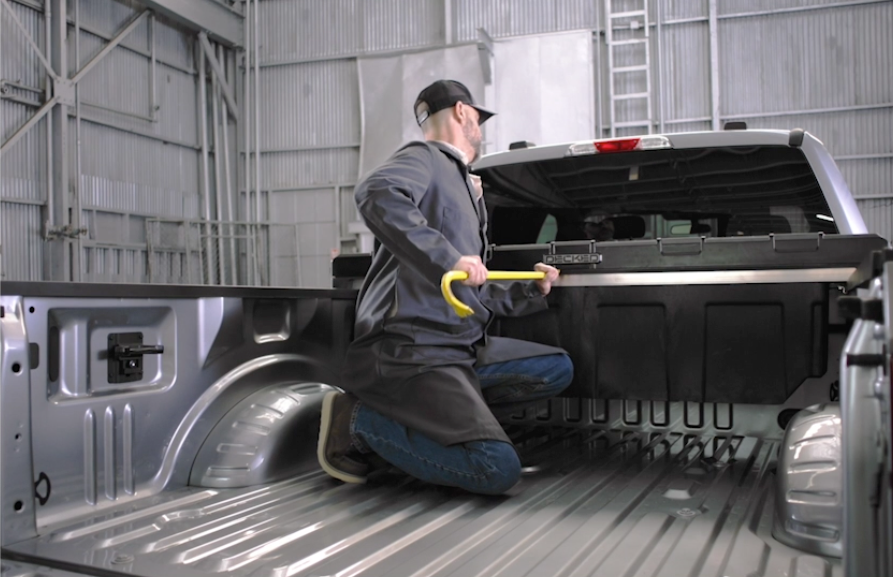
Have you ever found yourself locked out of your truck tool box with no spare key in sight? It’s a frustrating situation that can bring your work to a halt.
You might be wondering, “Can I just drill out the lock and get back to business? ” Before you grab that drill, it’s important to understand what this process involves, the risks, and whether it’s the best option for you.
Keep reading, and you’ll discover everything you need to know to make the right choice and regain access to your tools quickly and safely.

Credit: www.reddit.com
Assessing The Need To Drill Out A Lock
Assessing the need to drill out a lock on a truck tool box is important before starting any work. Drilling should be a last option, used only when other methods fail or are unavailable. It is a destructive process that can damage the lock and the box itself. Understanding the situation fully can save time, money, and effort.
Consider the reason for drilling. Is the lock jammed, broken, or lost? Sometimes, simple fixes like lubrication or lock-picking tools work better. Drilling makes sense when the lock mechanism is completely stuck or the key is lost with no replacement available.
Safety is also a factor. Drilling requires proper tools and protective gear. Incorrect drilling can cause injury or damage to the box. Check the lock type and material. Some locks are harder to drill and need specific drill bits.
Signs That Drilling Is Necessary
- The key is missing and cannot be replaced.
- The lock is rusted or frozen shut.
- The lock mechanism is broken inside.
- Other unlocking methods have failed.
Risks Of Drilling Out A Lock
- Damage to the lock and tool box.
- Potential injury without proper tools.
- Possible need to replace the entire tool box.
- Time-consuming and noisy process.
Alternatives To Drilling
- Using a spare key.
- Applying lubricant to the lock.
- Trying lock-picking tools.
- Contacting a professional locksmith.
Understanding Lock Mechanisms
Understanding how locks work is key before drilling out a truck tool box lock. Locks have different designs and functions. Knowing these helps avoid damage and find the best solution. Each lock type offers unique security and needs specific tools to open.
Lock mechanisms vary in complexity. Some are simple, while others have advanced features. Recognizing the lock type saves time and effort in the process. It also protects the tools and the box from unnecessary harm.
Types Of Locks In Truck Tool Boxes
- Cylinder Locks: Common, use a key with pins inside the lock cylinder.
- Tubular Locks: Round keyhole, often found in tool boxes and vending machines.
- Cam Locks: Simple design, uses a metal plate that rotates to lock.
- Padlocks: External locks attached to the box for extra security.
- Electronic Locks: Use codes or keycards, less common but more secure.
Common Locking Mechanisms
- Pin Tumbler Mechanism: Pins must align at a shear line to open.
- Wafer Tumbler Mechanism: Flat wafers move to release the lock.
- Disc Detainer Mechanism: Rotating discs must align to unlock.
- Lever Tumbler Mechanism: Levers lift to the correct height to open.
- Magnetic Locks: Use magnets to hold the lock closed.
Tools Required For Drilling
Drilling out the lock on a truck tool box requires the right set of tools to make the job efficient and safe. Having the proper equipment not only speeds up the process but also reduces the risk of damaging the toolbox or the surrounding area. Before you start, you need to gather specific tools designed for drilling through metal locks.
Drill Selection
Choosing the right drill is crucial for this kind of task. A cordless drill with a powerful motor, ideally 18 volts or higher, gives you enough torque to handle tough locks. Cordless drills are convenient because you can move freely around your truck without worrying about cords.
If you want more control and power, a corded drill is a solid choice. It won’t run out of battery mid-job and usually offers higher speed options. Think about the size and weight too—lighter drills reduce fatigue when working in tight spaces.
Drill Bits And Attachments
The drill bit you pick can make or break your progress. For a metal lock, you’ll want to use high-speed steel (HSS) bits or cobalt bits because they withstand heat and stay sharp longer. Start with a small pilot bit to create a guide hole before moving to larger sizes.
Special attachments like step bits or hole saws can help if you need a bigger opening to access the lock mechanism. Don’t forget cutting oil; it cools the bit and extends its life. Have a sturdy center punch on hand to mark the drilling spot and prevent the bit from slipping.

Credit: www.amazon.com
Step-by-step Drilling Process
Drilling out the lock on a truck tool box can feel intimidating, but breaking down the process makes it manageable. Understanding each step clearly helps you avoid mistakes and damage to your toolbox. Below is a detailed guide to get you through the drilling process efficiently and safely.
Safety Precautions
Before you start drilling, protect yourself and your surroundings. Wear safety goggles to shield your eyes from metal shavings and gloves to protect your hands from sharp edges.
Make sure your toolbox is stable and won’t move during drilling. Secure it with clamps or place it on a sturdy surface to avoid slips.
Consider unplugging or removing any electrical components nearby to prevent accidents. Are you prepared with the right safety gear before proceeding?
Marking The Drilling Spot
Identify exactly where to drill by closely examining the lock mechanism. Usually, the drill point is centered on the lock cylinder face.
Use a marker or center punch to create a small indentation at the drilling spot. This helps keep the drill bit from wandering as you start.
Take a moment to double-check your marking to ensure precision. A misplaced hole can ruin your toolbox or make the lock harder to remove.
Executing The Drill
Start with a small drill bit to create a pilot hole. This reduces the risk of slipping and allows better control.
Gradually increase the drill bit size to reach the lock cylinder’s diameter. Use steady, moderate pressure—forcing the drill can cause damage.
Keep the drill perpendicular to the lock surface to avoid angled holes. Once you feel the lock cylinder give way, stop drilling immediately.
Have you noticed how patience and precision make the job smoother? Rushing this step often leads to unnecessary damage.
Alternative Solutions To Drilling
Drilling out the lock on your truck tool box might seem like the quickest fix, but it can cause permanent damage and cost you more in the long run. Luckily, there are alternative ways to gain access without destroying your toolbox. These options save your toolbox’s integrity and often take less time than you think.
Lock Picking Techniques
Lock picking might sound intimidating, but it’s a skill you can learn with some patience and the right tools. Basic lock picks and tension wrenches are inexpensive and widely available. If you have a simple pin tumbler lock, you could try feeling for the pins and gently lifting them one by one.
Practicing on a spare lock before attempting your truck tool box is a smart move. The more you practice, the better your sense of touch becomes, helping you avoid damage to the lock. Have you ever tried picking a lock yourself? It’s surprising how satisfying it can be to open a stubborn lock without drilling.
Contacting A Locksmith
Sometimes, the best choice is to call a professional locksmith. They have specialized tools and experience to open your toolbox quickly and without damage. Locksmiths can also replace or rekey the lock on the spot, saving you future headaches.
Hiring a locksmith might seem costly at first, but consider the value of your toolbox and the time saved. Have you thought about how much a damaged toolbox could set you back? A locksmith’s expertise can prevent unnecessary expenses and hassle.
Preventive Measures For Future
Taking steps to protect your truck toolbox helps avoid lock damage and theft. Preventive actions reduce the need to drill out locks in the future. Simple habits and smart upgrades increase security and extend lock life.
Regular Maintenance Tips
Keep locks clean and dry to prevent rust and jamming. Use lubricant sprays designed for locks to ensure smooth operation. Check locks monthly for signs of wear or damage. Replace worn parts before problems start. Avoid forcing the key if it feels stuck. Cover the toolbox to protect it from rain and dirt.
Installing High-security Locks
Choose locks made from strong materials like hardened steel. Look for locks with anti-pick and anti-drill features. Consider using combination locks to avoid losing keys. Install locks with protective covers to shield the mechanism. Use multiple locks for added security on larger toolboxes. Secure the toolbox to the truck bed to prevent theft.

Credit: www.reddit.com
Frequently Asked Questions
Can You Drill Out A Lock On A Truck Toolbox?
Yes, you can drill out a lock on a truck toolbox. Use a drill bit sized for the lock cylinder. Drill carefully to avoid damaging the toolbox. This method is effective if the key is lost or the lock is jammed.
What Tools Do You Need To Drill Out A Lock?
You need a power drill, drill bits, and safety goggles. Start with a small bit and increase size gradually. Use a bit strong enough to penetrate the lock cylinder. Wear goggles to protect your eyes from metal shavings.
Is Drilling A Lock A Safe Method To Open It?
Drilling is safe if done carefully and correctly. Avoid excessive force to prevent toolbox damage. It should be a last resort after other unlocking methods fail. Always wear safety gear and work slowly to maintain control.
Can Drilling Damage The Truck Toolbox?
Yes, drilling can damage the toolbox if done improperly. Focus on the lock cylinder area only. Use the right drill bit size to minimize damage. Take your time to avoid scratches or dents around the lock.
Conclusion
Drilling out a lock on a truck toolbox can work but needs care. It may damage the box or lock beyond repair. Using the right tools helps avoid extra problems. Sometimes, calling a locksmith saves time and effort. Think about safety and your toolbox’s condition first.
Choose the best option for your situation. Keep your tools secure after fixing the lock. This keeps your gear safe and ready to use.